The Art of Handling FBA Returns: A Guide for Amazon Sellers
BorderWorx Team
May 10, 2024
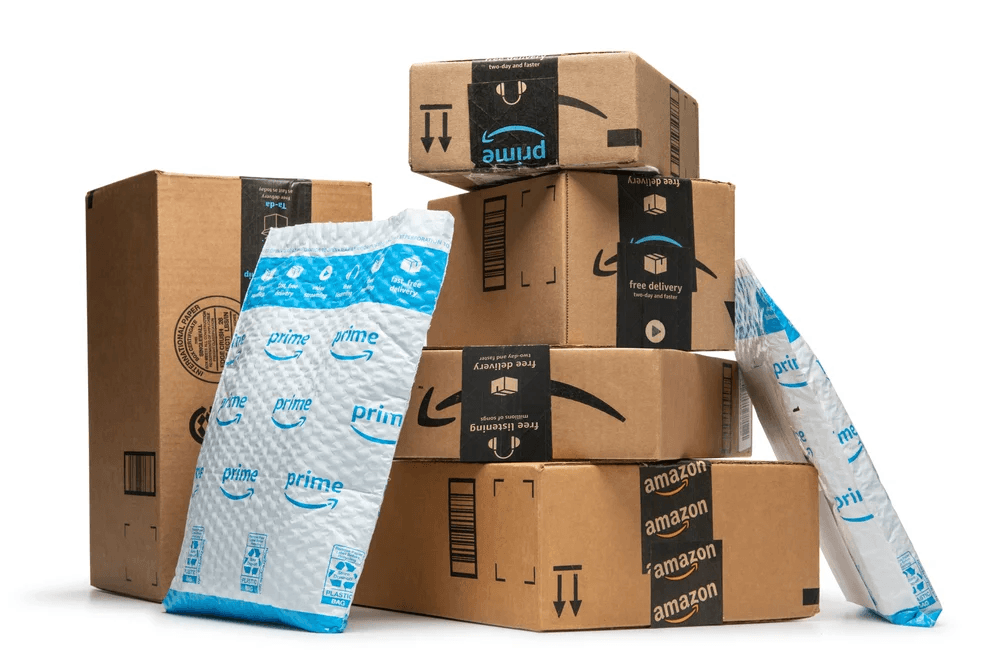
Returns are an inevitable part of selling on Amazon, even with Fulfillment by Amazon (FBA) handling the logistics. As a seller, understanding the process, anticipating common return reasons, and staying on top of your seller metrics is crucial for a successful business.
Why Customers Return FBA Items
Amazon offers a generous return policy, which leads to several reasons why buyers return products:
- “No longer needed/wanted”: Impulse buys or changing one’s mind.
- “Wrong size/color”: Inaccurate product descriptions or the customer misjudging their needs.
- “Defective/not as described”: The item arrives damaged or doesn’t match the listing.
- “Arrived too late”: Missed special events or the buyer found an alternative.
- “Accidental order”: Mistakes during the purchase process.
Anticipating Returns
- Crystal-clear product listings: Accurate descriptions, high-quality images, and all relevant details.
- Excellent customer service: Prompt answers and proactive resolution to avoid returns.
- Competitive pricing: Avoid inflated prices that drive buyer’s remorse.
Amazon’s Tools for Return Management
- Returns Reports: Track return rates and reasons to find and fix issues.
- Automated Returns Authorizations: Rules to auto-approve certain returns and save time.
- Refund at First Scan: Issue refunds as soon as Amazon scans a return.
- Safe-T Claims: Request reimbursement if Amazon damages or loses inventory.
Impact on Your Seller Rating
Excessive returns can increase your Order Defect Rate (ODR)—a critical seller-health metric. High ODRs risk account action, including suspension. Reducing avoidable returns protects your account.
Making Use of 3rd Party Shipping for Returns
While Amazon handles FBA returns, there are cases where third-party shipping (e.g., Borderworx) makes sense:
- International Returns: Specialists can navigate customs and offer lower rates.
- Bulky/Oversized Items: Third-party rates based on weight/dimensions can be cheaper than FBA options.
- Consolidating Returns: Combine items before sending back to FBA to cut costs.
- Customer Preference: Offer a third-party option alongside FBA for convenience or savings.
Important Considerations
- Cost Comparison: Compare FBA fees vs third-party shipping on a case-by-case basis.
- Labeling: Provide clear instructions and labels to avoid confusion and extra fees.
- Tracking: Track every return to confirm status and proper processing by Amazon.
The Takeaway
Returns are normal on Amazon, even with FBA. Understand the reasons, use Amazon’s tools, leverage third-party shipping strategically, and protect your seller metrics to manage returns effectively. If you are looking for a third-party shipping service to handle your Amazon orders, please reach out!
Need help or have questions?
If you have any questions, contact us!